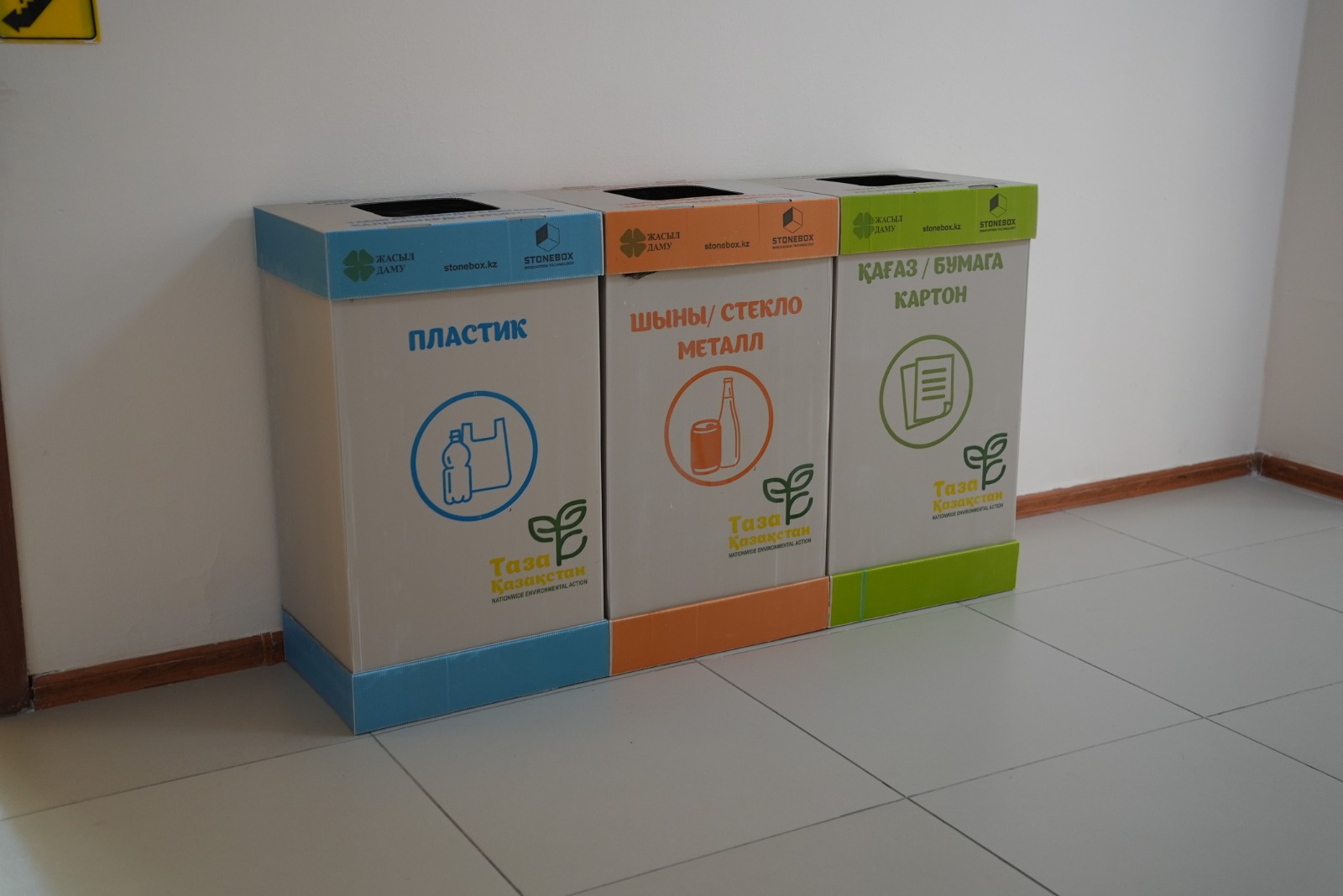
As part of the national campaign “Taza Qazaqstan” and in accordance with the instruction of the President of the Republic of Kazakhstan, Kassym-Jomart Tokayev, announced in his Address to the Nation on the introduction of a unified standard for environmental education, public schools in Astana are carrying out eco-awareness activities. In particular, eco-boxes for separate waste collection (paper, plastic, and glass) are being installed.
The project is implemented by Jasyl Damu JSC with the support of the Ministry of Ecology and Natural Resources of the Republic of Kazakhstan.
The latest educational institution to receive eco-boxes is Gymnasium School No. 77 named after Fariza Ongarsynova. Eco-boxes are a practical tool that allows students to sort waste and send it for recycling through the automated information system EcoQolday, which serves as a platform for interaction between citizens, collectors, and recyclers. Moreover, a competition has been announced among the schools of the capital: the school that collects and delivers the largest amount of waste through the EcoQolday system will receive valuable prizes.
According to the organizers, this initiative not only helps to protect nature but also fosters a culture of environmental responsibility among the younger generation.
“Developing a respectful attitude toward nature must start from childhood. Eco-boxes are a simple but effective tool that shows schoolchildren how everyday actions can change the world around them for the better,” said Nurzhan Duisebay, Head of the Public Relations Service of Jasyl Damu JSC.
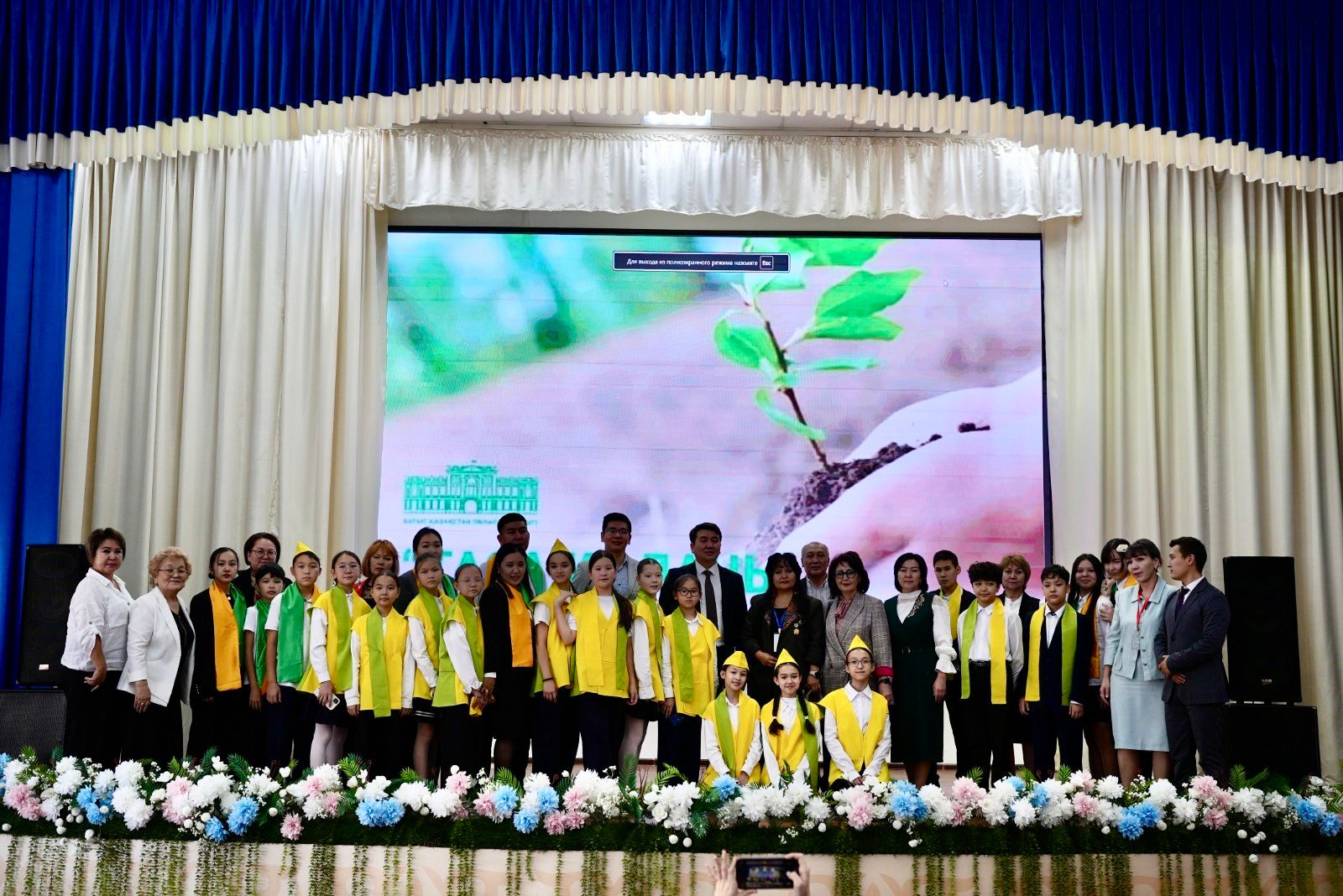
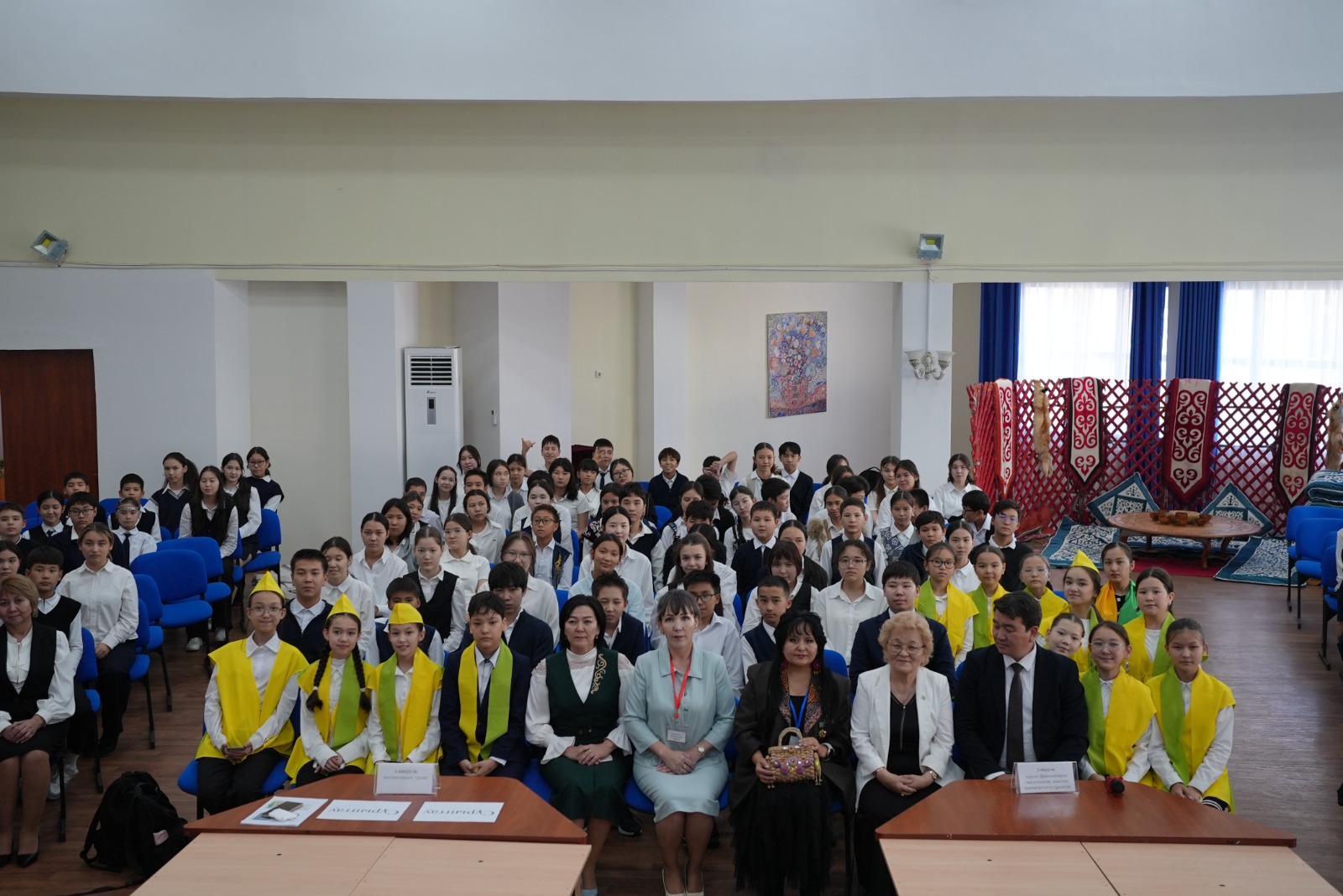
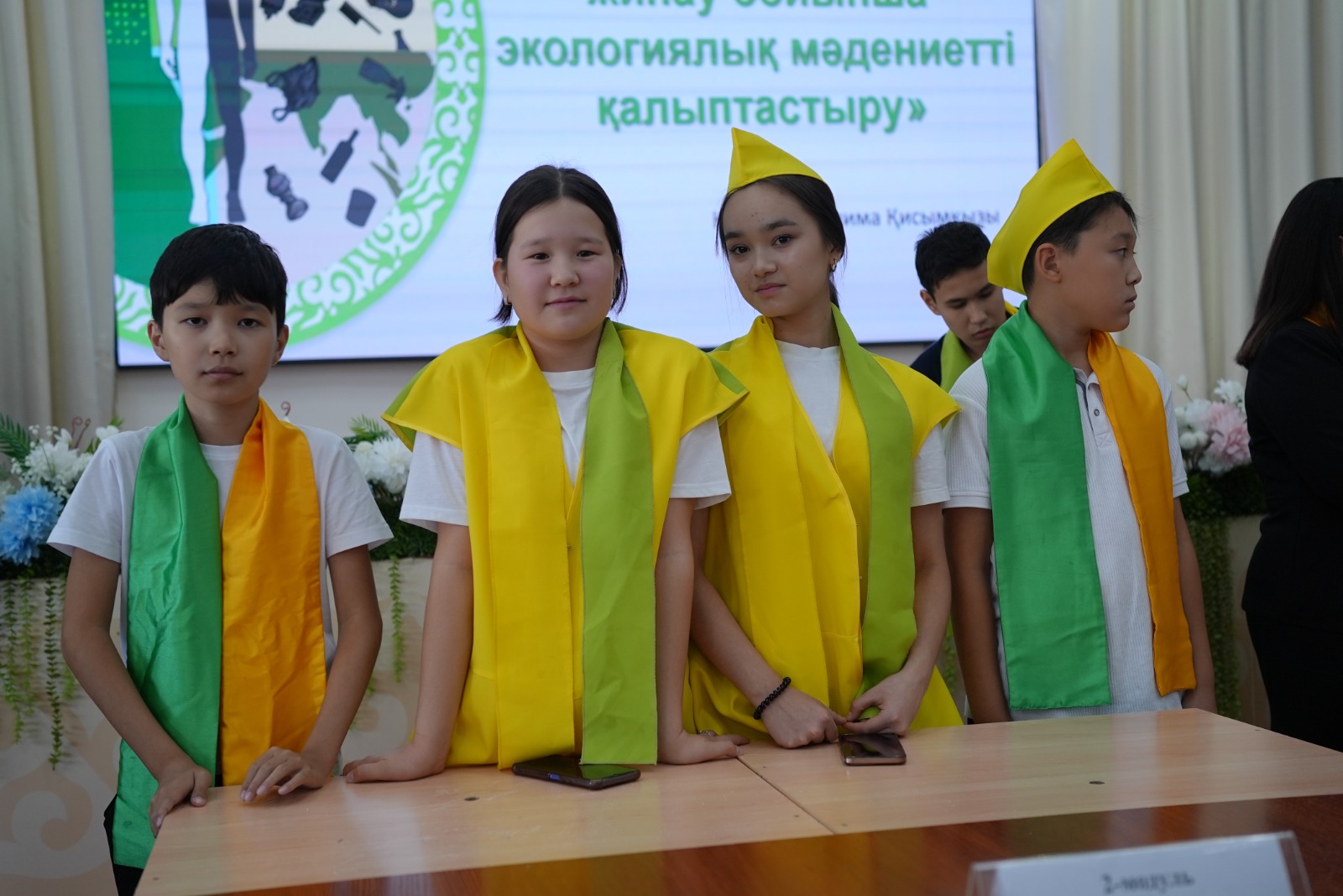
As part of the initiative, eco-lessons and educational activities have also been held, aimed at improving environmental literacy and developing a conscious attitude toward environmental protection.
The “Taza Qazaqstan” campaign has become an important step in promoting environmental education in Kazakhstan. Organizers are confident that the participation of schoolchildren in the project will help instill environmental values for life and contribute to building a clean and healthy future for the country. In the future, the initiative is planned to be expanded to all public schools across the nation.
 EcoQolday
 Check payment
 Login to the system

 share
share