 share
share
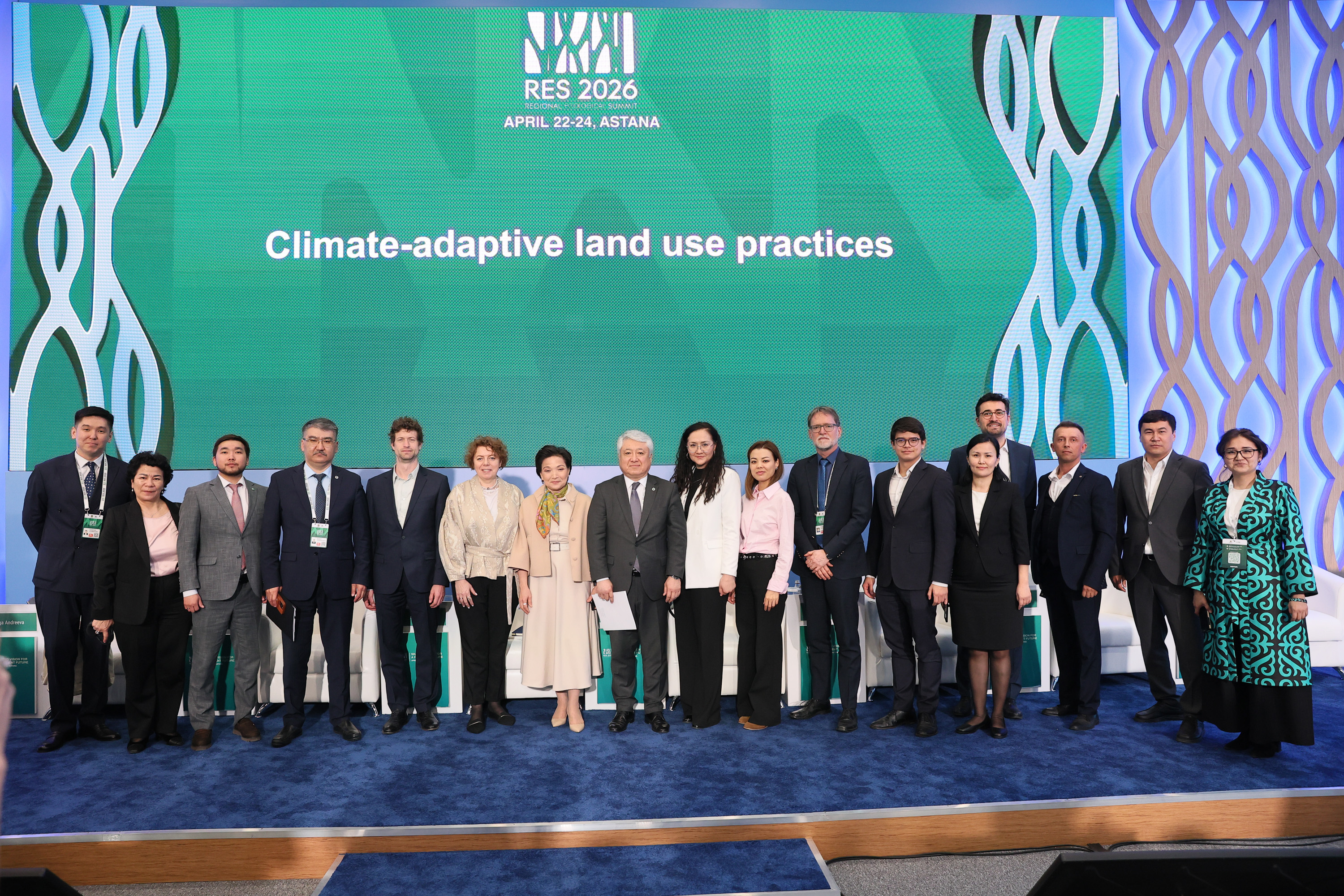
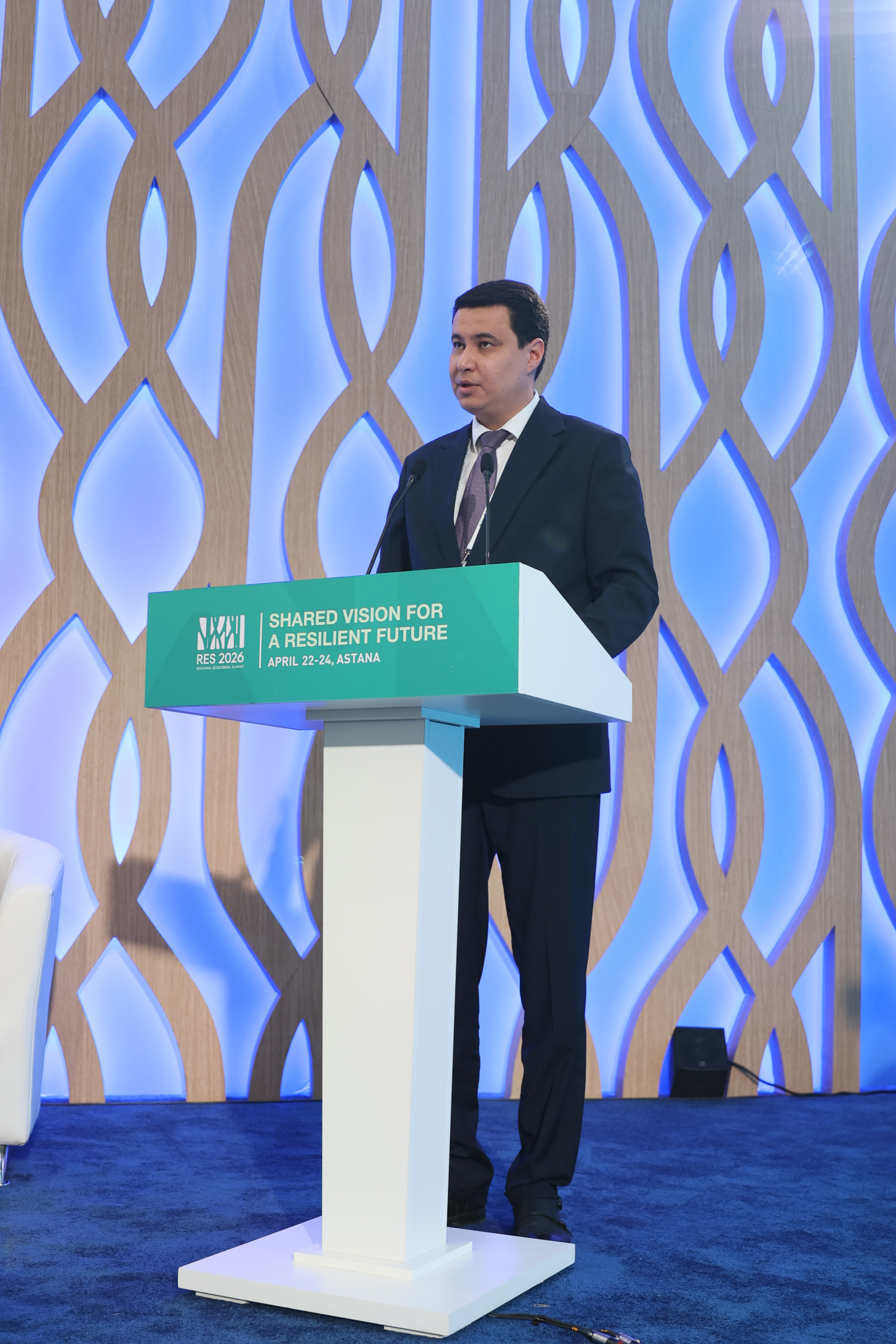
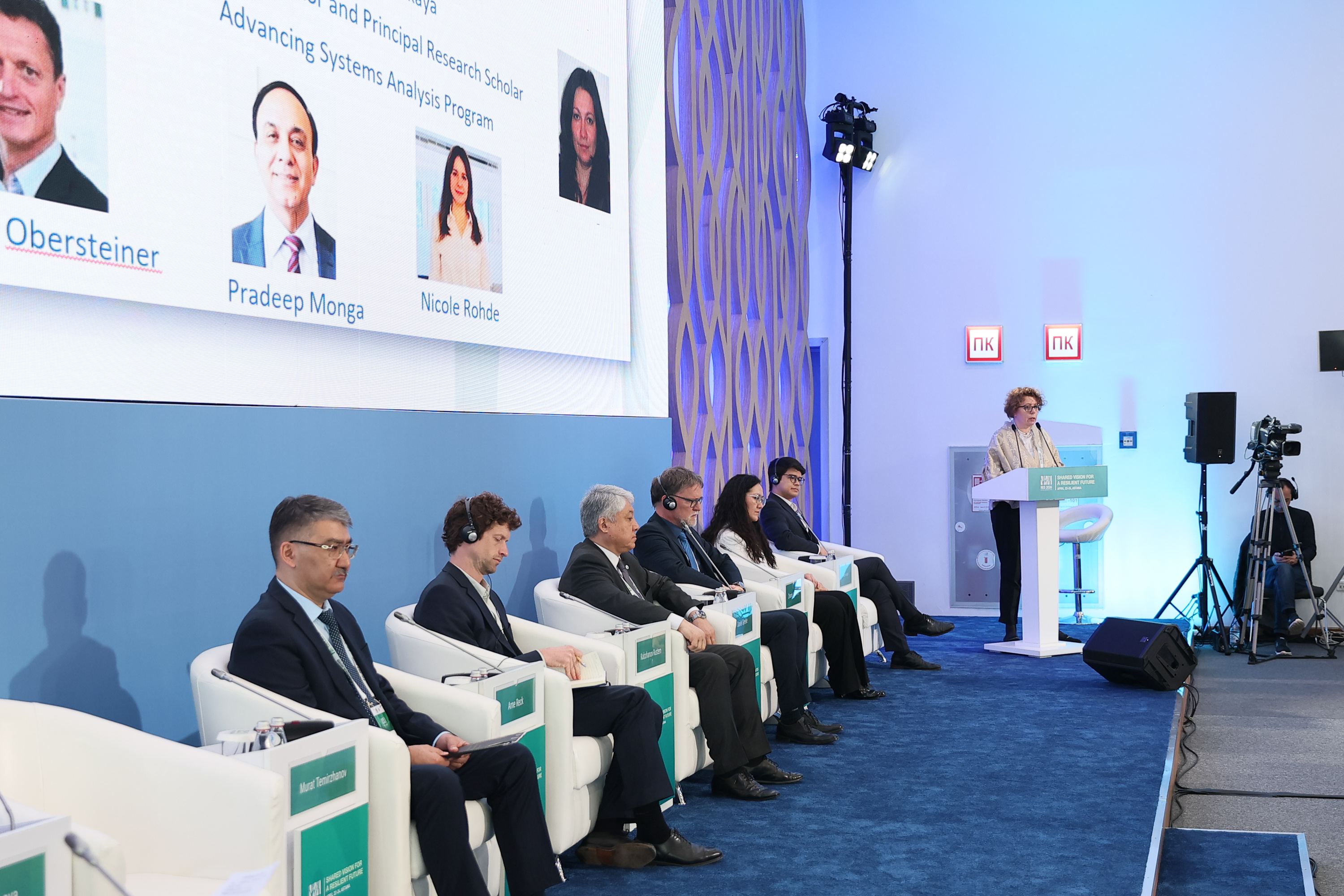
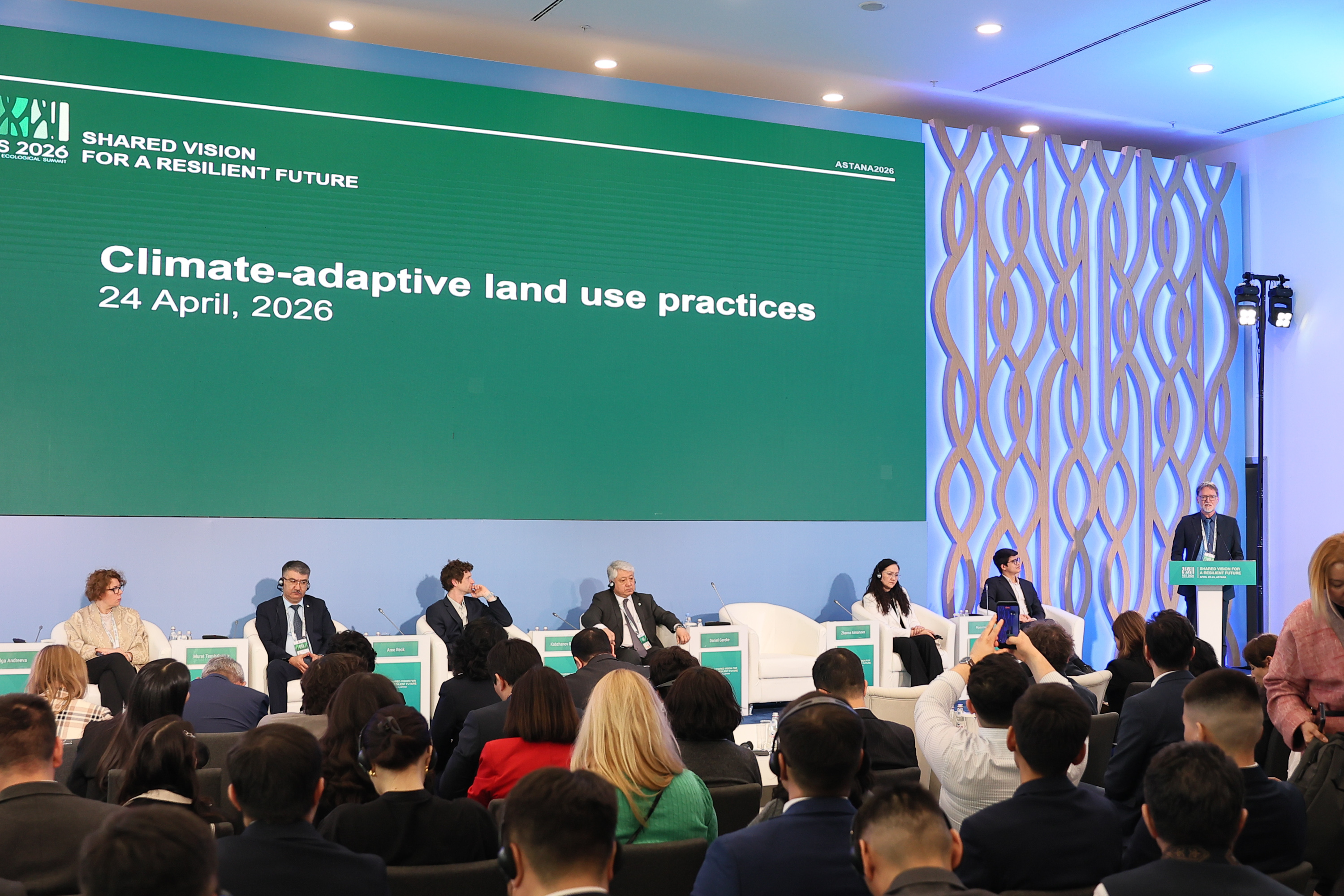
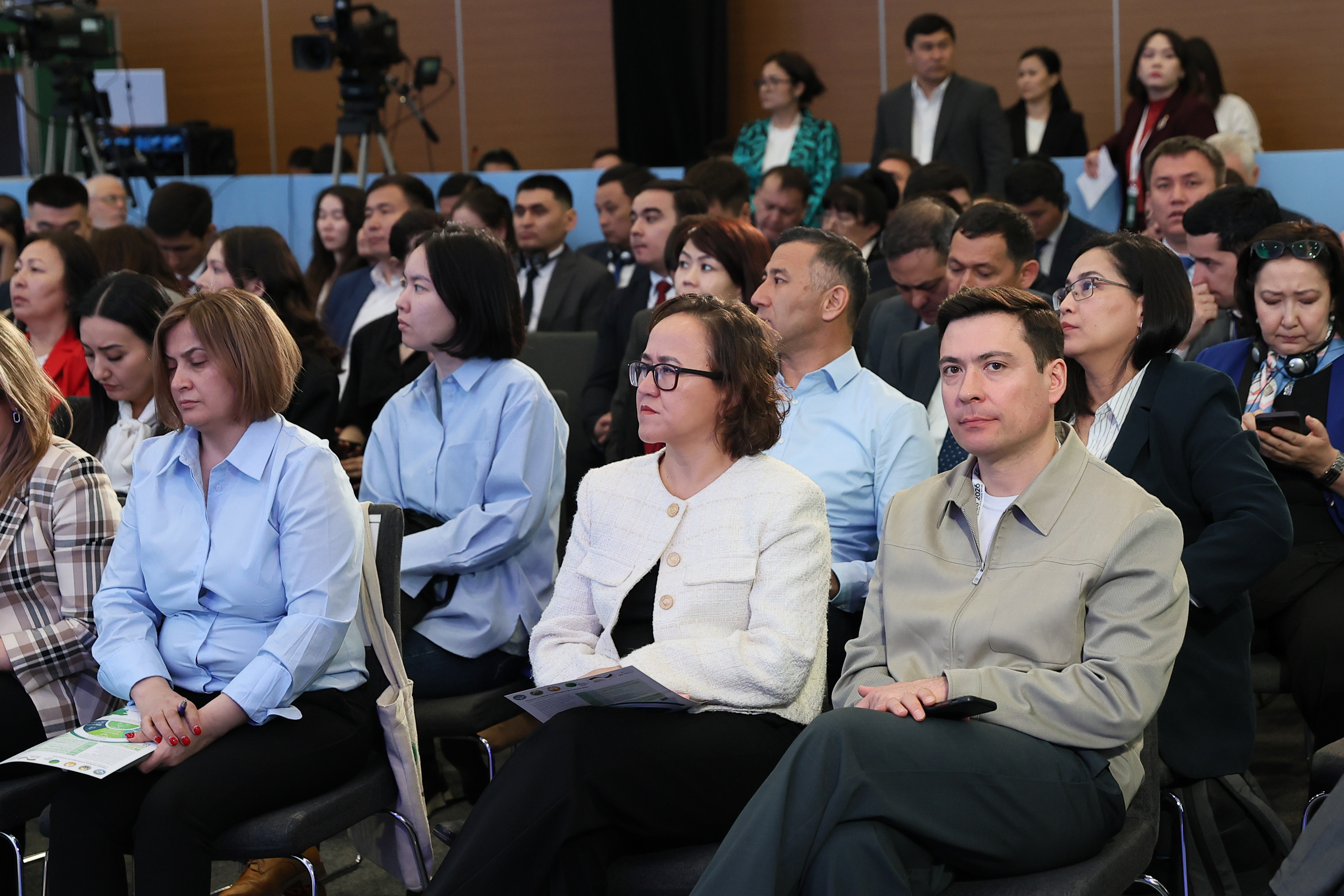
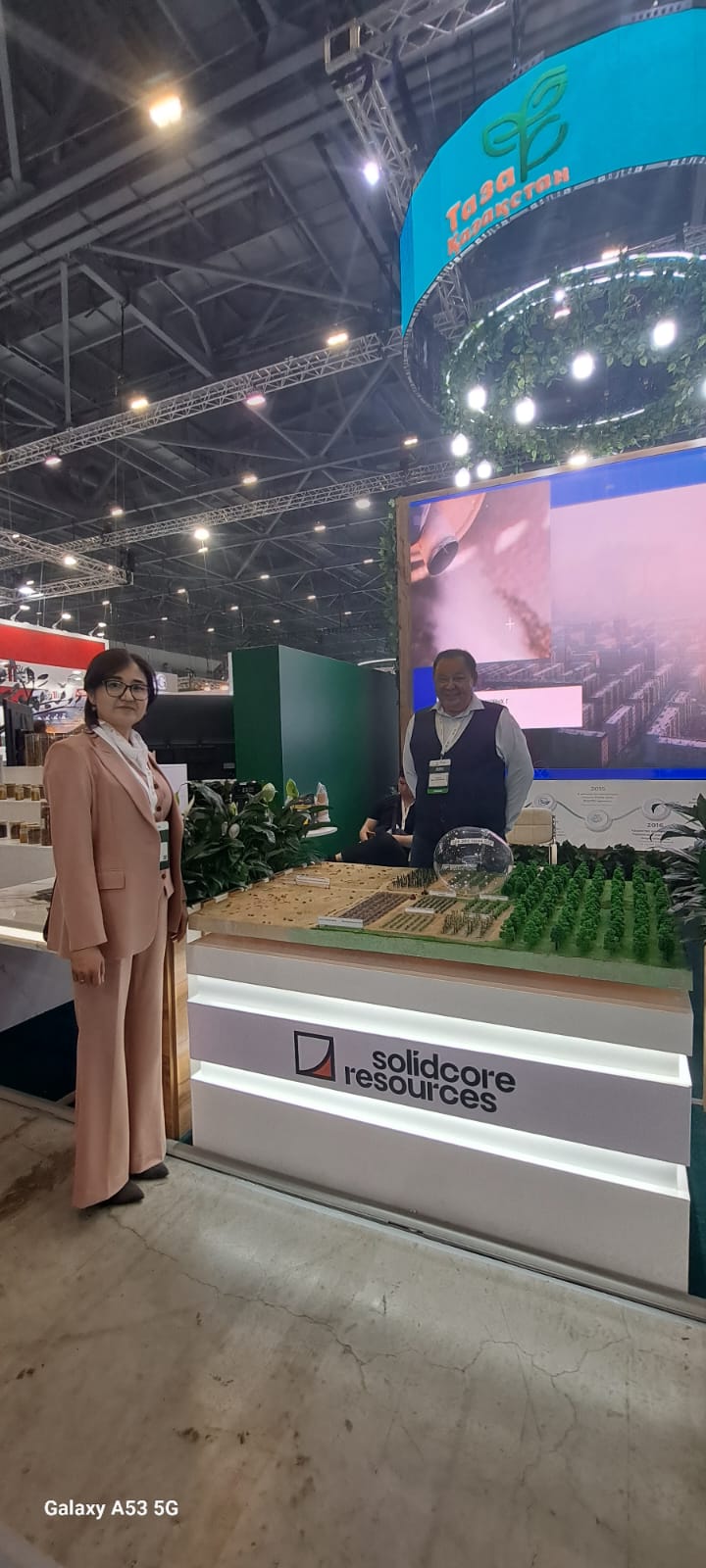
Within the framework of RES 2026, Zhasyl Damu JSC organized a thematic session titled “Climate-Adaptive Land Use Practices,” where practical approaches to integrating international climate instruments and sustainable land management were presented. The event became an important platform for discussing regional challenges and exchanging experience among experts and partners.
The key focus of the session was the integration of instruments from two UN Conventions — on climate change and on combating desertification. For Central Asian countries, this approach is of strategic importance, as climate risks and land degradation reinforce each other, creating a vicious cycle of environmental and economic threats.
Kazakhstan is already demonstrating a transition from concepts to practical solutions. In cooperation with the German Independent Institute for Environmental Issues (UfU), pilot projects on “carbon-smart” agriculture are being implemented in four regions of the country. These initiatives clearly show that environmentally responsible land use not only preserves ecosystems but also improves the economic efficiency of the agricultural sector.
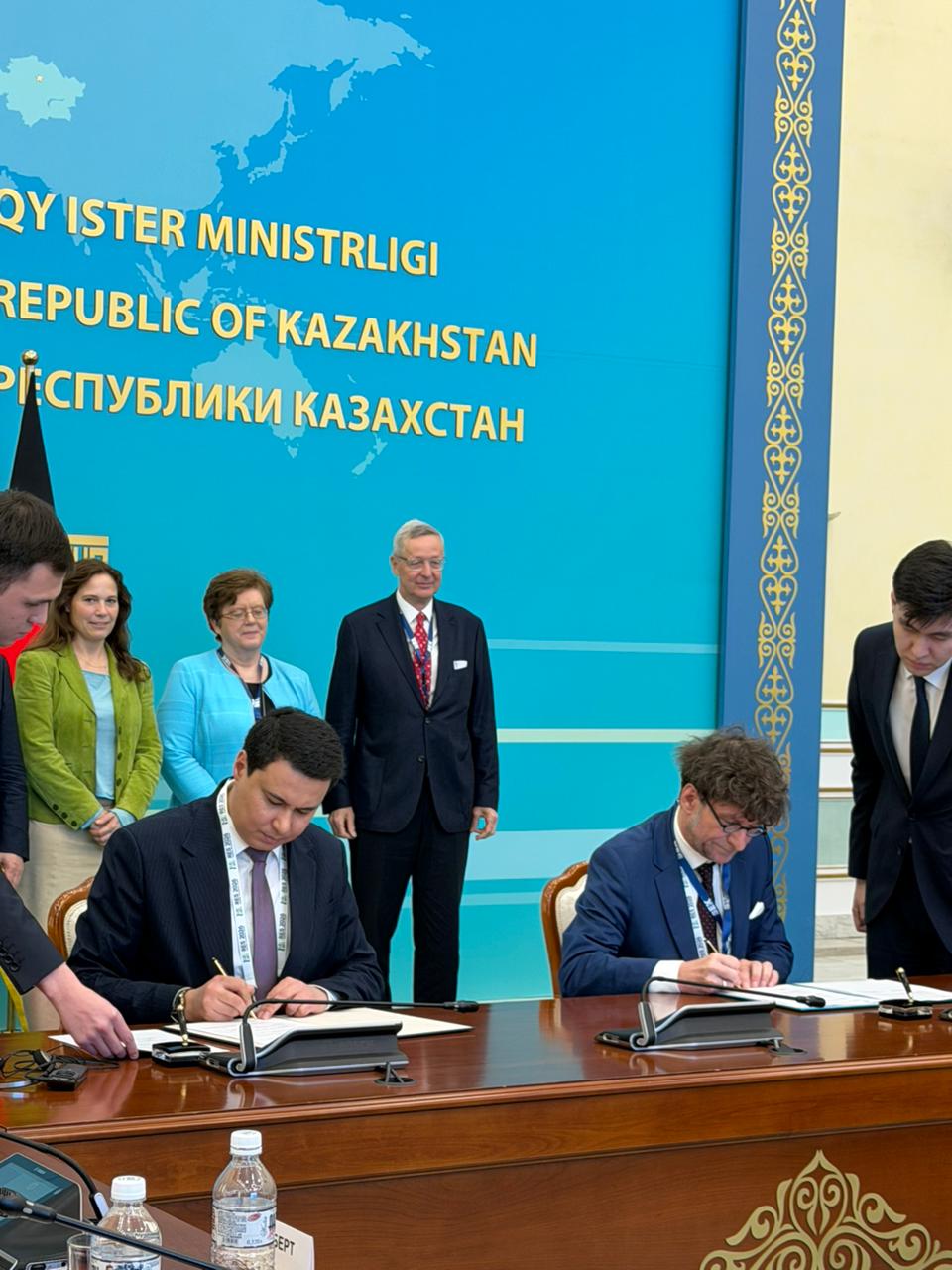
An important outcome of the session was the signing of a Memorandum of Understanding between the Ministry of Ecology and Natural Resources of the Republic of Kazakhstan and UfU during the 46th meeting of the Berlin Eurasian Club, focused on strategic partnership between Kazakhstan and Germany for a green future. The document formalizes the parties’ intention to develop joint projects in the field of sustainable development and climate policy.
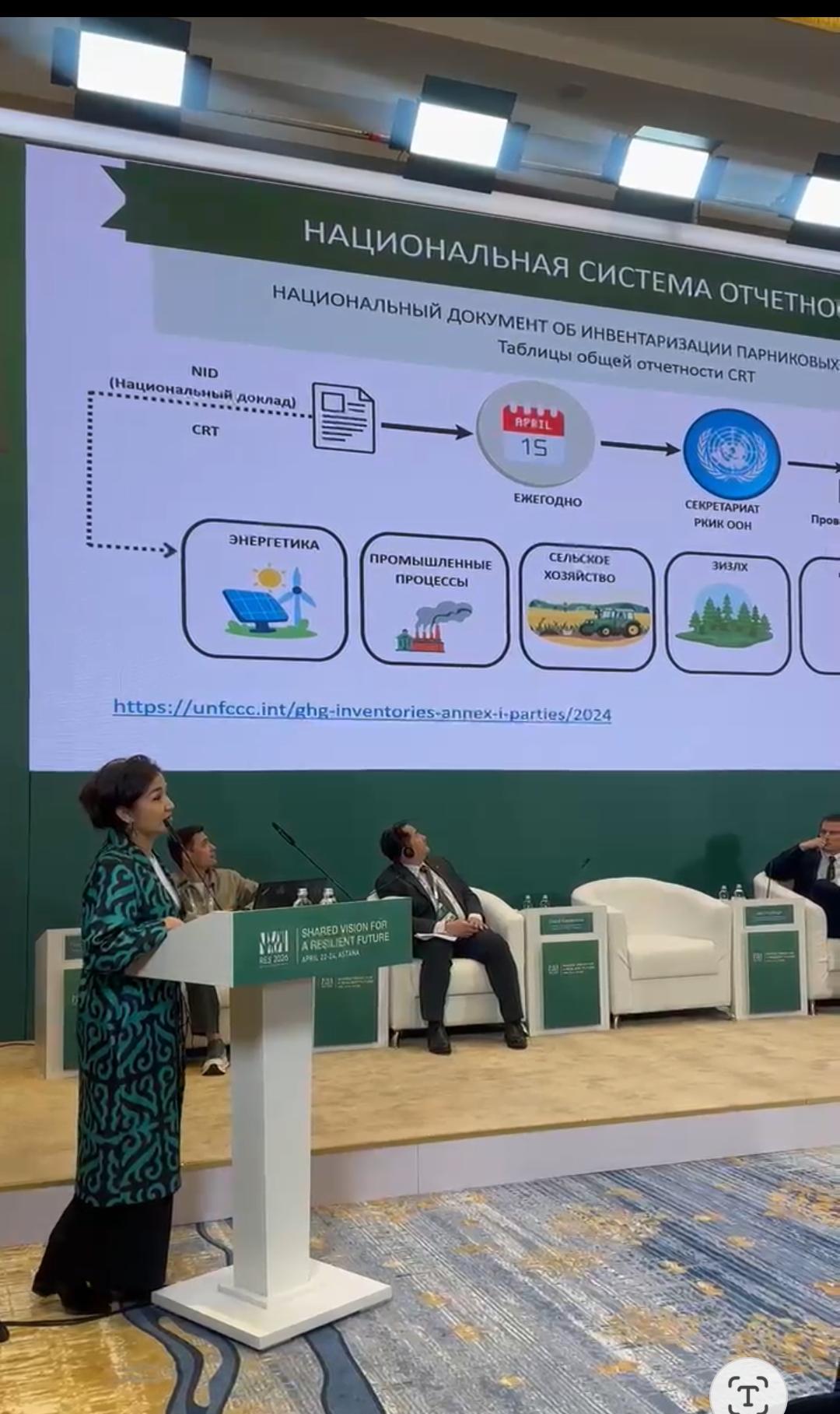
Additionally, D.A. Kassenova, Director of Sectoral Competencies Department 2 at Zhasyl Damu JSC, participated in a specialized seminar on the implementation of Kazakhstan’s updated Nationally Determined Contributions (NDC 3.0). The event, organized by the NDC Partnership, ADPC, and the ECOJER Association, included a presentation on national greenhouse gas inventory in the AFOLU sector.
“Today, it is particularly important for Kazakhstan to implement solutions that simultaneously address climate resilience and sustainable land use. Our pilot projects already demonstrate that environmentally sound approaches can be economically beneficial, while international cooperation amplifies this effect,” noted a representative of Zhasyl Damu JSC.
The events held confirm Kazakhstan’s growing role as an active participant in the global climate agenda. The integration of international practices, development of partnerships, and implementation of innovative approaches create a solid foundation for sustainable agricultural development and enhanced environmental security in the region.
 EcoQolday
 Check payment
 Login to the system
