 EcoQolday
 Check payment
 Login to the system

 share
share
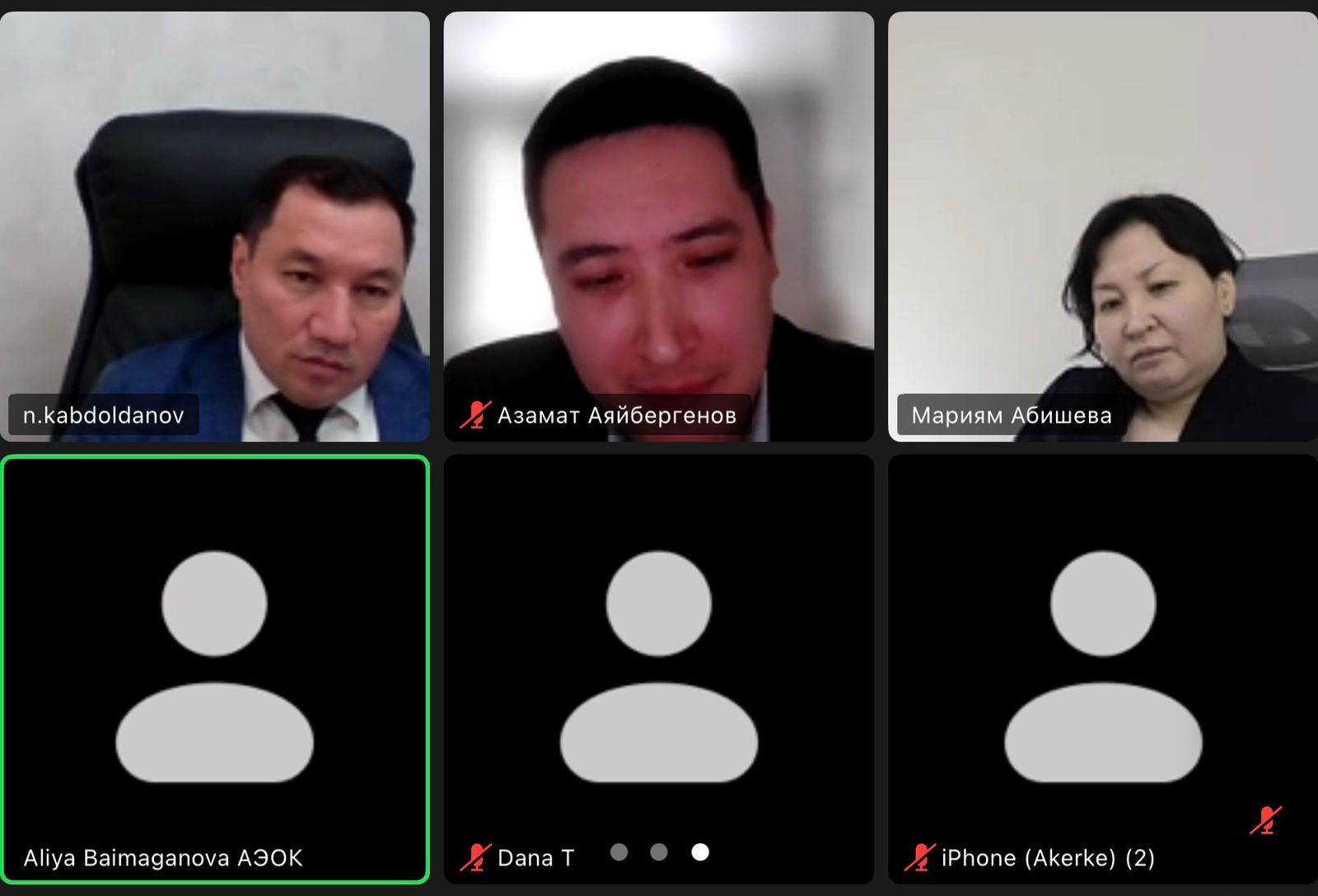
Today, an online meeting of the Commission on Waste Management and Circular Economy of the Public Council on Ecology and Natural Resources was held. During the discussion, participants reviewed the progress of the EcoQolday program as well as investment projects financed through the Recycling Fee Fund via the Industrial Development Fund JSC.
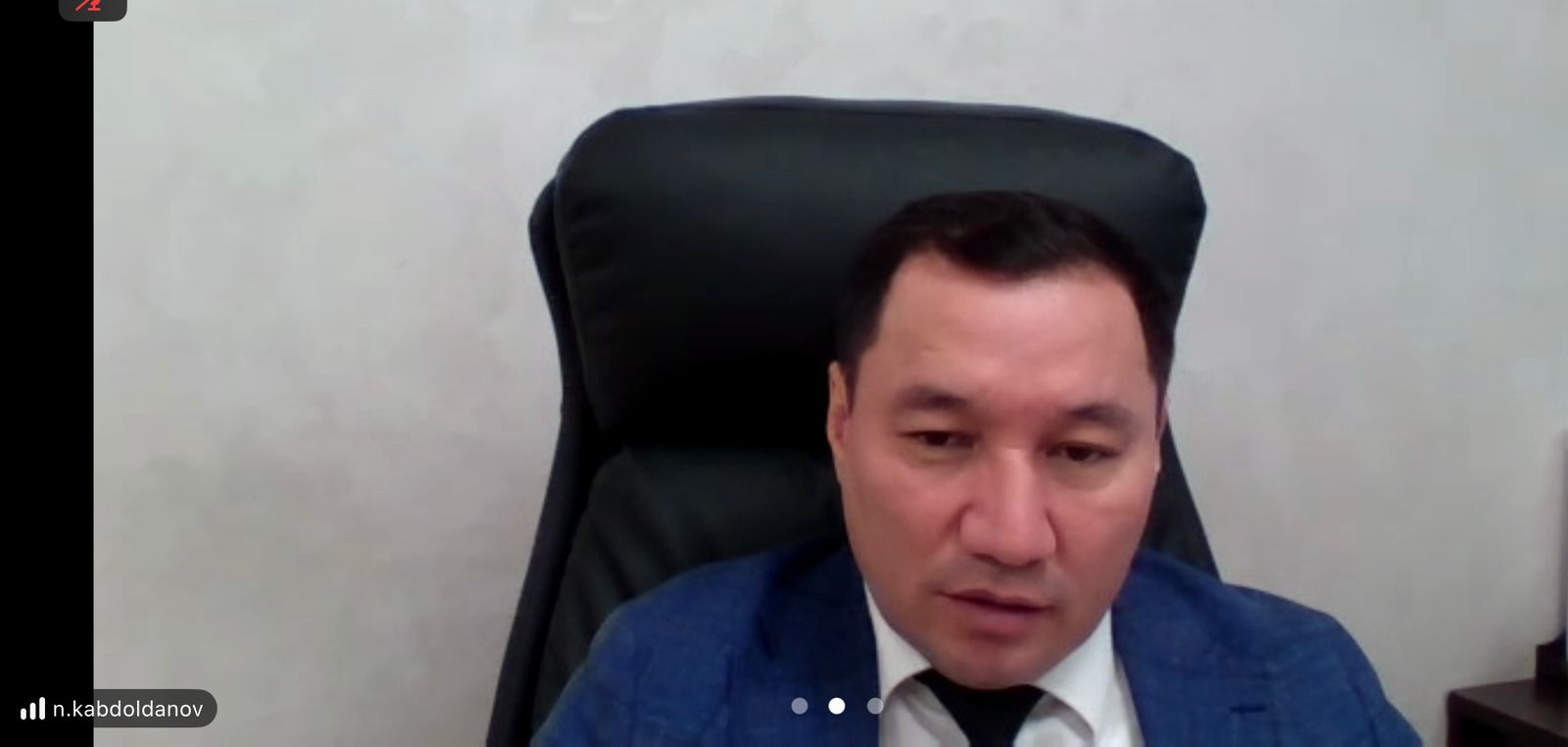
A report on the implementation of the EcoQolday program and the financing of investment projects was presented by Nurzhаn Kabdoldanov, Deputy Chairman of the Management Board of Zhasyl Damu JSC, who also answered questions from the participants. He provided information on the current results of the program aimed at developing waste collection and recycling infrastructure, modernizing production capacities, creating new jobs, increasing environmental responsibility among businesses and the public, and promoting the transition to circular economy principles. The financing is provided to develop waste recycling, introduce modern technologies, and increase the share of secondary raw materials in the economy.
Currently, 84 entities participate in the EcoQolday program, including 55 collectors, 19 recyclers, and 10 full-cycle enterprises. Within the framework of the program, 68.8 thousand tons of waste have been sent for recycling, and KZT 1.5 billion has been paid out. In addition, 26 projects in the municipal solid waste sector have been financed for a total amount of KZT 93.7 billion. These include 14 recycling projects, 4 sorting projects, and 8 projects for the acquisition of specialized equipment.
The online meeting was attended by representatives of the Waste Management Department of the Ministry of Ecology and Natural Resources of the Republic of Kazakhstan, the Association of Secondary Raw Material Recyclers of Kazakhstan, environmental experts, and members of the Public Council under the Ministry of Ecology and Natural Resources.
According to Nurzhаn Kabdoldanov, “The implementation of the EcoQolday program and support for investment projects make it possible not only to build a sustainable waste management system but also to stimulate the development of the domestic recycling industry. Our task is to ensure transparency in financing mechanisms and achieve maximum environmental and economic impact from every project.”
The discussion held on the Public Council platform highlighted the importance of open dialogue between government institutions, businesses, and the expert community. The implementation of programs and investment initiatives contributes to reducing environmental pressure, fostering a culture of separate waste collection and recycling, and strengthening the principles of a green economy in the country.