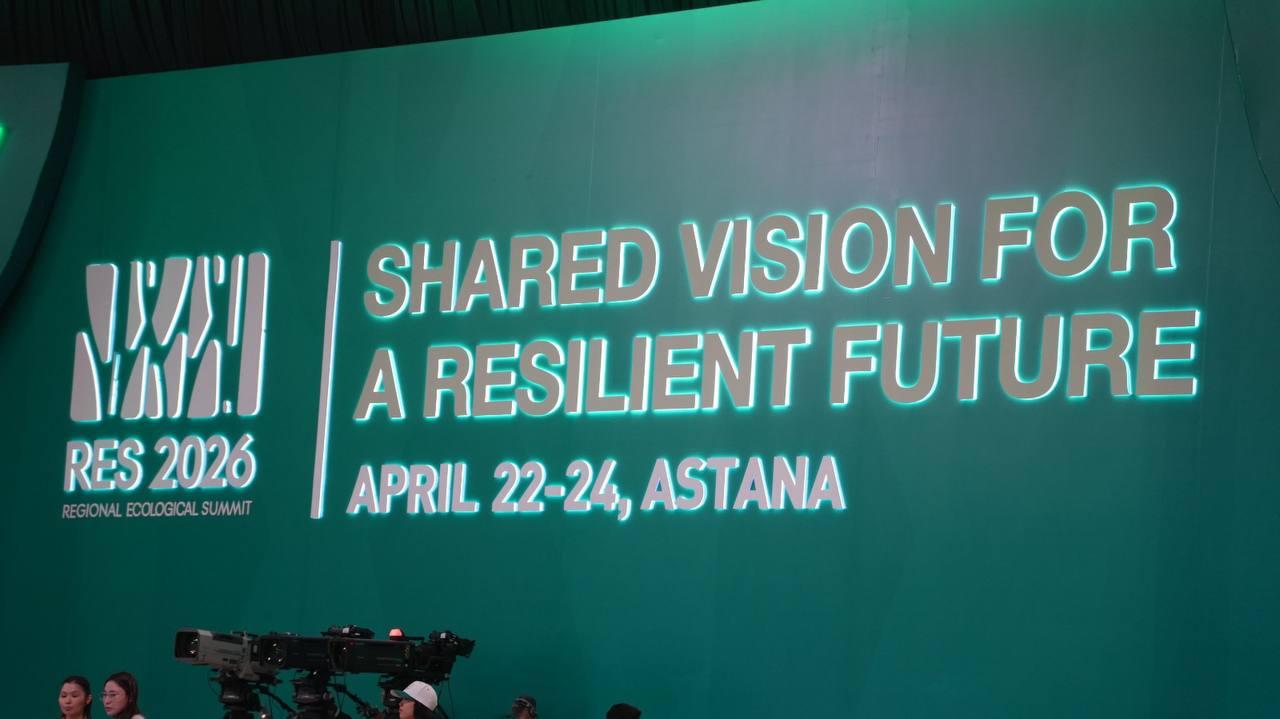
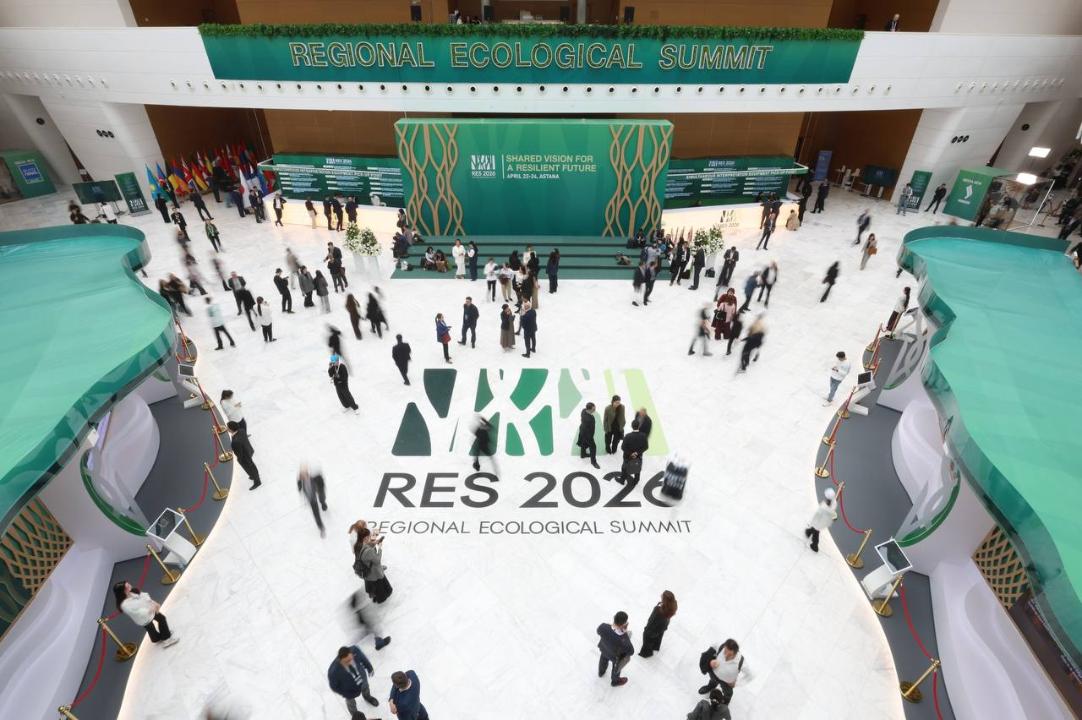
The Regional Environmental Summit held in Astana has concluded, bringing together heads of state, public figures, politicians, and researchers to discuss environmental issues and sustainable development in Central Asia.
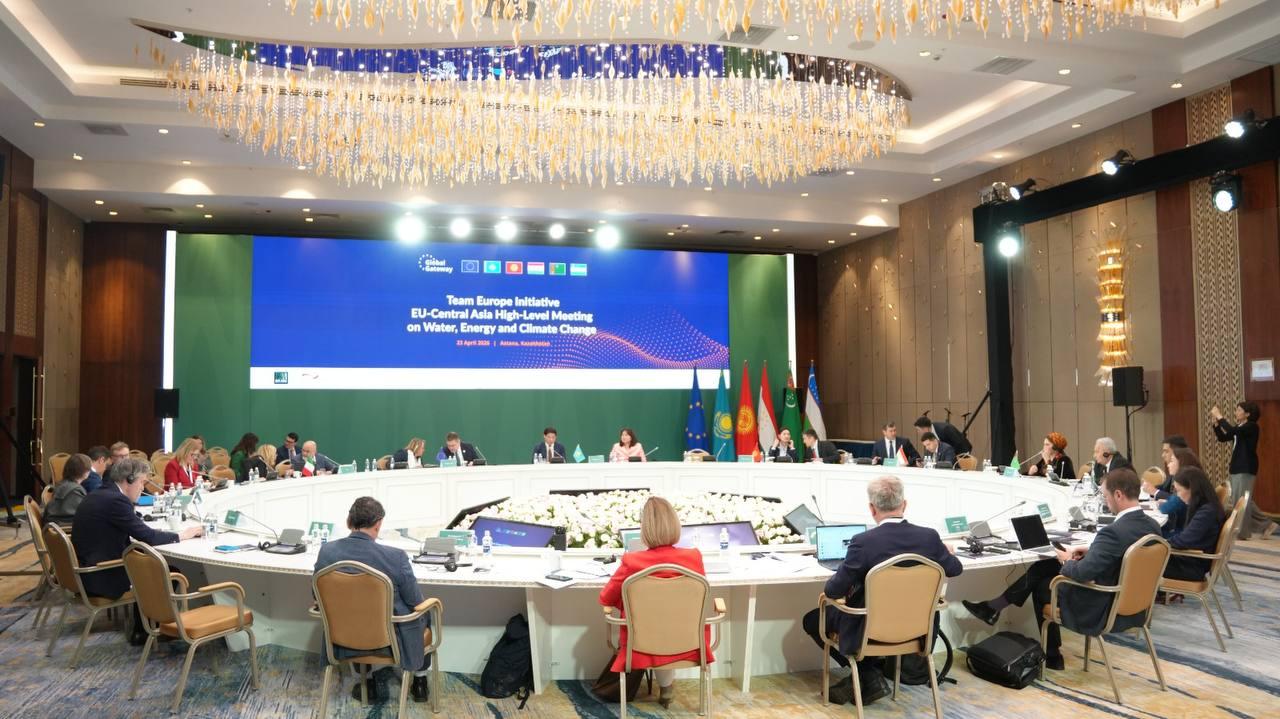
From April 22 to 24, a total of 58 key sessions were organized within the framework of the Summit, including 21 high-level sessions and 4 country sessions of Central Asian states. Over three days, more than 8,000 visits to events were recorded.
At the plenary session of the Summit, the Presidents of the Central Asian countries, Armenia, Georgia, Mongolia, and the Prime Minister of Azerbaijan delivered speeches.
Representing the United Nations were Under-Secretary-General for Economic and Social Affairs Mr. Li Junhua, UNEP Executive Director Ms. Inger Andersen, and UNECE Executive Secretary Ms. Tatiana Molcean.
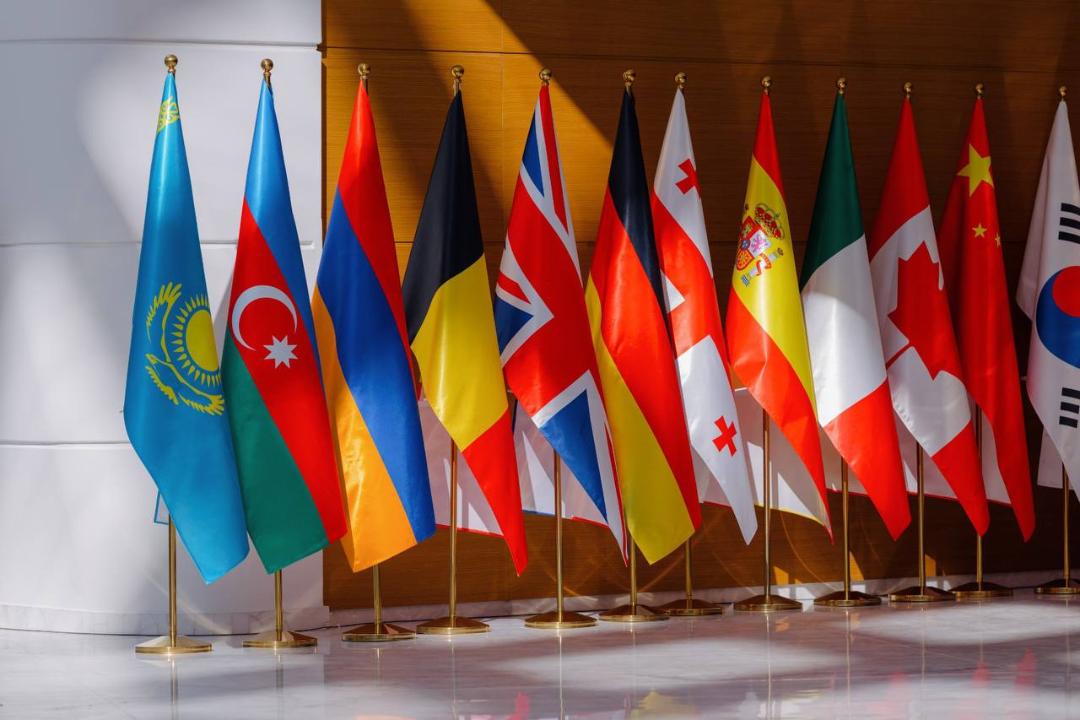
The Summit was attended by heads of environmental agencies from Central Asian countries, as well as Armenia, Azerbaijan, Georgia, Germany, Belarus, Turkey, Italy, China, Cambodia, Serbia, Mongolia, Croatia, Japan, Afghanistan, the Russian Federation, and others. Relevant authorities in water management, healthcare, agriculture, energy, education, and finance were also represented.
Representatives of international organizations such as the OSCE, EU, ECO, ICESCO, SCO, OTS, CICA, IOPB, ADB, EBRD, WB, GCF, IDB, as well as secretariats of international conventions on desertification, biodiversity, chemicals, and waste, actively participated in discussions and sessions.
The main outcome of the Summit-2026 was the adoption of the Declaration of the Heads of State of Central Asia “Environmental Solidarity of Central Asia.” The Presidents confirmed their intention to intensify efforts to develop joint regional positions and solutions within multilateral environmental processes, including negotiations on biodiversity, chemicals and waste management, plastic pollution, air quality improvement, land degradation and desertification, as well as promoting a consolidated regional stance on key international platforms.
The Declaration reflects the initiative of the President of the Republic of Kazakhstan, Kassym-Jomart Tokayev, to establish an International Water Organization within the UN system.
In addition, the Declaration supports Kazakhstan’s initiatives to establish an International Fund for the Protection of Rare Species and Biodiversity, develop an interstate program for preserving the water resources of the Caspian Sea, institute an International Greening Day, and strengthen cooperation through the Central Asia Climate and Green Energy Project Office.
The Declaration also endorsed the Action Program for the implementation of regional environmental initiatives in partnership with the UN for 2026–2030. This includes a Regional Environmental and Climate Investment Portfolio, a Regional Environmental Performance Review, a Framework for Nature-Based Solutions, a Circular Economy Partnership Framework, and the “Green School” regional platform.
These initiatives were presented during the Summit sessions with the participation of strategic partners, enabling the formation of a concrete joint action plan for Kazakhstan, the countries of the region, and the UN system for the next five years. This establishes a solid foundation for the consistent implementation of the agreements reached and confirms the long-term institutional and practical continuation of the Summit’s agenda.
A number of investment agreements and memorandums of strategic partnership were adopted at the Summit.
A Framework Agreement on strategic cooperation between the Government of Kazakhstan and the United Nations Environment Programme was concluded, предусматривающий создание Regional Environmental Hub in Almaty based on UNEP’s Subregional Office for Central Asia.
A Memorandum of Understanding was signed to establish Kazakhstan’s country investment platform for energy transition “QaJET” between the Ministry of Energy, the Ministry of Ecology and Natural Resources, and the European Bank for Reconstruction and Development. By 2035, it is planned to commission at least 10 GW of renewable energy capacity, attract around $20 billion in investment, and reduce emissions by more than 20 million tons annually.
Additionally, during the first days of the RES 2026 EXPO green technologies exhibition, 17 agreements worth over $2.3 billion were signed. The main investments are directed toward renewable energy, waste management, industrial decarbonization projects, and fertilizer production.
At Kazakhstan’s initiative, consultations were launched on the establishment of an International Water Organization. A consolidated report will be prepared as a basis for further negotiations aimed at achieving concrete outcomes at the UN Water Conference in Abu Dhabi in December 2026.
A significant contribution to strengthening the water agenda was made through a high-level interparliamentary dialogue. With the participation of the OSCE Parliamentary Assembly, a joint action plan is being developed between the parliaments of Central Asian countries and the OSCE PA to enhance cooperation in water management, harmonize legislation, and promote effective transboundary mechanisms.
The Summit sessions were held across eight key thematic areas.
As a result of sectoral sessions, a number of practical agreements were reached. Central Asian countries signed a Regional Declaration on Biodiversity Conservation, confirming their commitment to joint protection of ecosystems, rare species, restoration of natural areas, and development of ecological corridors.
At Kazakhstan’s initiative, the “Green Shield of Central Asia” resolution was adopted as a regional system of protective forest belts and green barriers against land degradation and dust storms, with designated sites identified for afforestation.
The participation of the secretariats of the Basel, Rotterdam, and Stockholm Conventions highlighted the importance of regulating chemicals and hazardous waste. A proposal was made to establish a Regional Center for the Stockholm Convention in Kazakhstan, which would strengthen institutional capacity in chemical safety, support laboratory development, and facilitate compliance with international obligations.
The parties also agreed to develop a roadmap for enhancing agricultural resilience and applying synergies of the Rio Conventions with the participation of FAO, IOFS, and international partners. This initiative aims to adapt agriculture to climate change and combat land degradation, desertification, and biodiversity loss.
At Kazakhstan’s initiative, the UN General Assembly adopted a resolution declaring 2026 the International Year of Volunteers for Sustainable Development.
Following a thematic session, agreements such as “Caspian Sea Action Week 2026” and “Green Aral: Volunteers for Life” were signed, aimed at increasing public engagement in environmental volunteering and addressing issues in the Caspian and Aral regions. A youth dialogue among Central Asian countries also resulted in a joint statement addressed to Summit participants.
A significant social outcome was the signing of a joint Declaration between Central Asian countries and the WHO European Regional Office on implementing the “Healthy Future of the Aral Sea Region” roadmap, along with memorandums on joint research, monitoring, and the “One Health” approach integrating environment, health, and sustainable development.
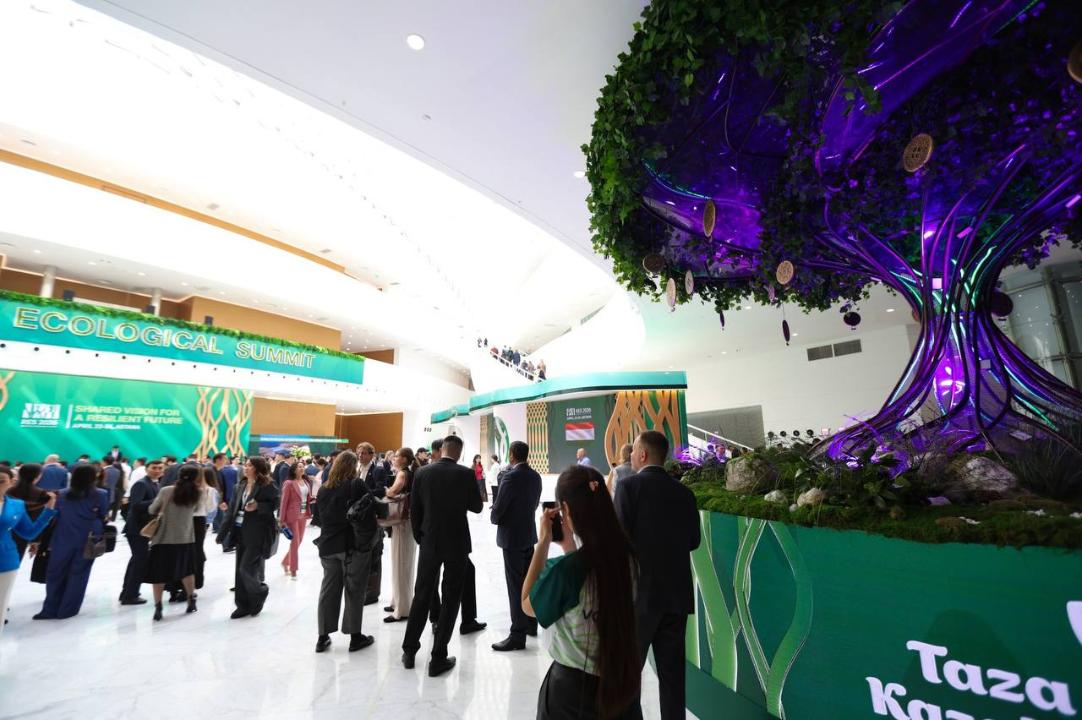
The RES 2026 EXPO international green technologies exhibition brought together regional countries and partners, facilitating the transition from political declarations to practical actions.
Across 120 pavilions, 247 companies from 30 countries showcased their achievements, enabling direct G2B networking for approximately 20,000 participants.
The agreements reached confirm that the Regional Environmental Summit 2026 in Astana became not only a platform for dialogue, but also a point of consolidation of efforts, launch of practical initiatives, and formation of a unified, forward-looking environmental agenda for Central Asia.

 EcoQolday
 Check payment
 Login to the system

 share
share