 share
share
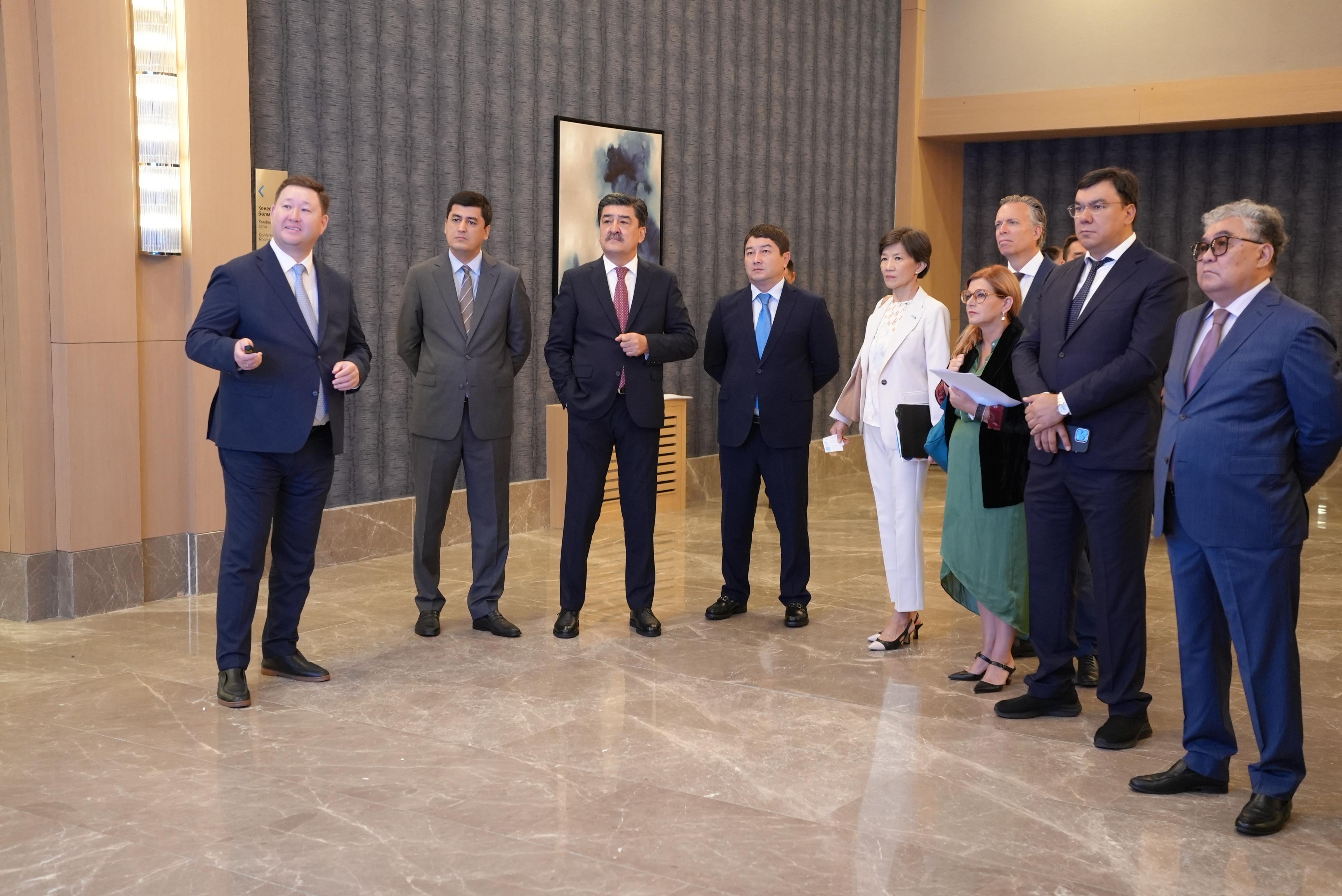
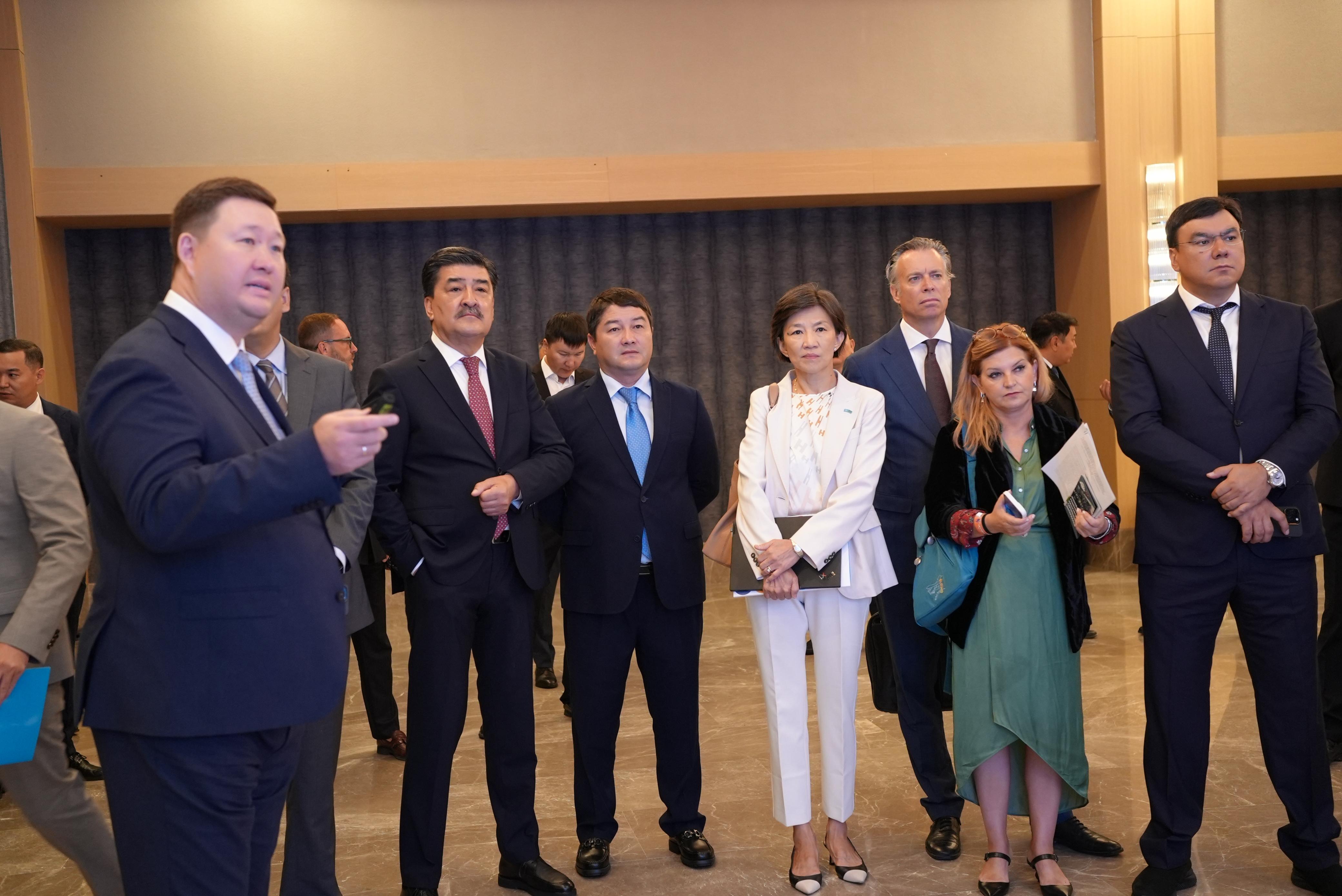
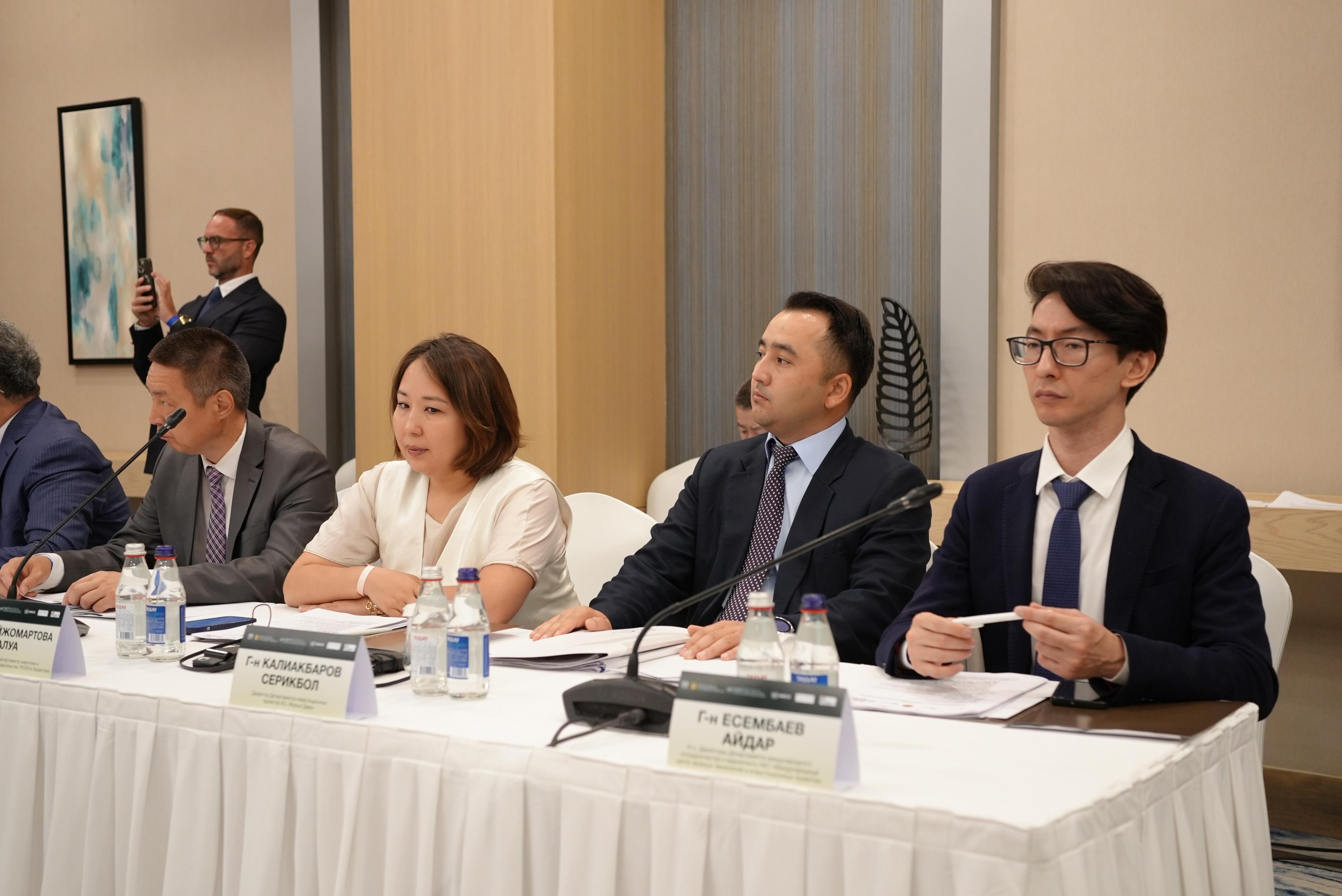
These days, the city of Aktau is hosting a meeting of environmental ministers from Central Asian countries, where the Concept of the Regional Environmental Summit 2026 was discussed. This strategic document will serve as a foundation for coordinating regional efforts in environmental protection, sustainable development, and the transition to a green economy.
One of the central events of the meeting was an exhibition of green startups, showcasing the best solutions in waste recycling, digitalization of environmental processes, and eco-education. The startups were selected according to key focus areas outlined in the draft Concept of RES-2026.
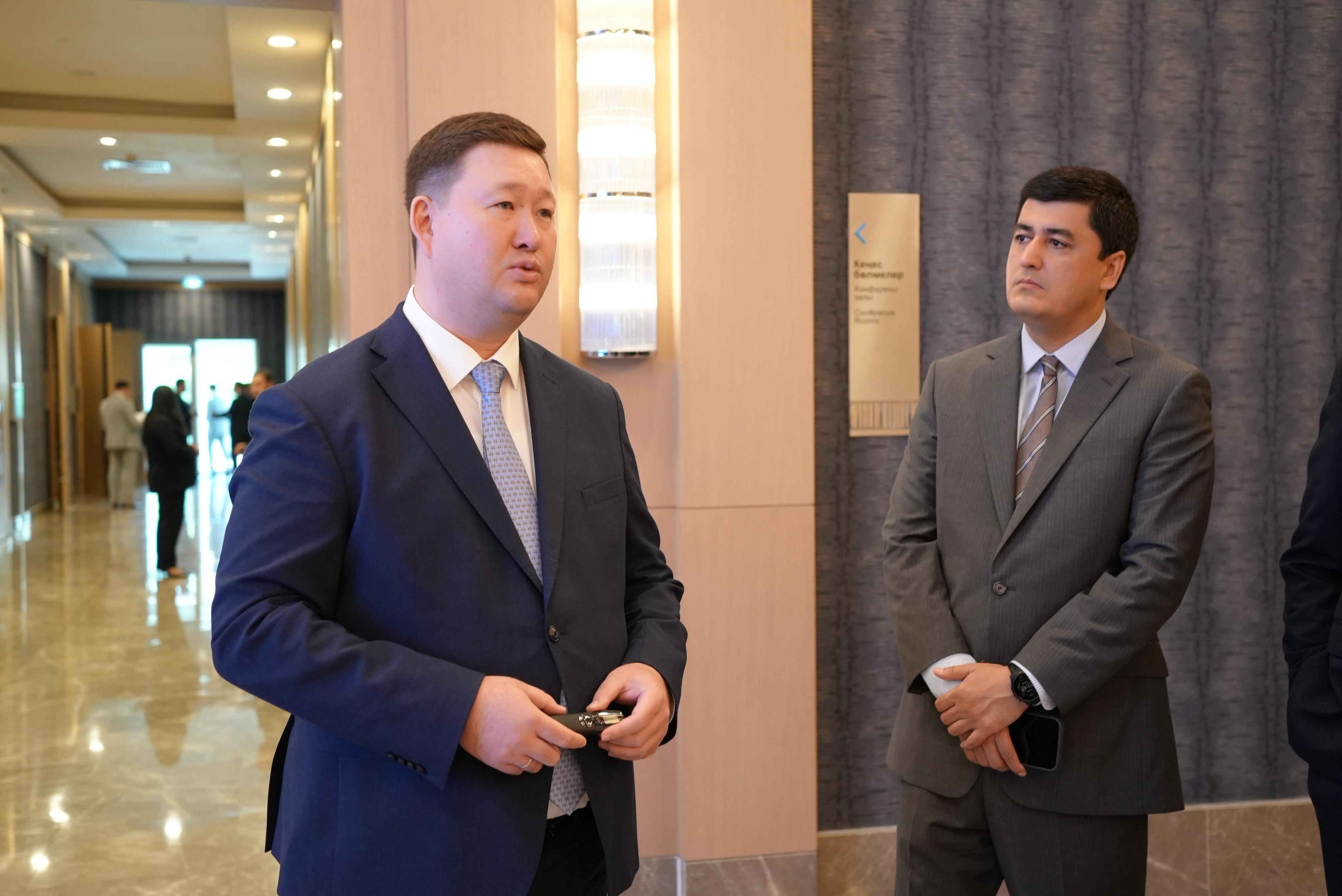
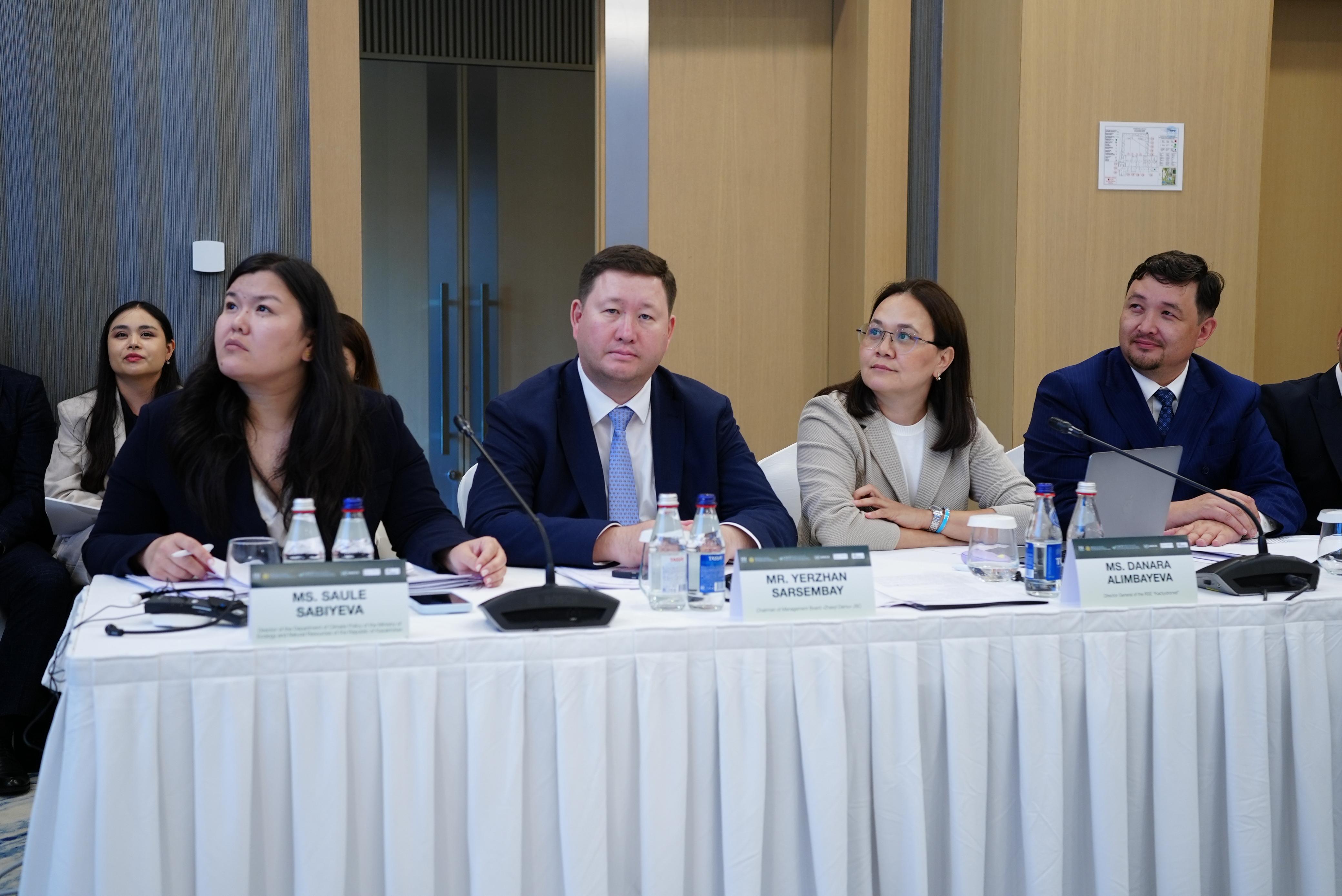
Chairman of the Management Board of “Zhasyl Damu” JSC, Erzhan Sarsenbay, delivered a keynote address on state support measures in the field of waste management in Kazakhstan. In his speech, he emphasized that the guiding principle for Kazakhstan remains the Concept for Transition to a Green Economy, which sets goals for recycling 40% of waste by 2030 and 60% by 2050. To achieve these targets, the country is building a comprehensive waste management system based on infrastructure development, implementation of best available technologies, mandatory coverage of the population with waste removal and separate collection services, and the promotion of circular economy principles.
Erzhan Sarsenbay highlighted that “Zhasyl Damu” JSC is a key driver of environmental policy, implementing measures to stimulate business in the recycling sector, including concessional financing for investment projects, management of orphan hazardous waste, and fostering environmental awareness. Particular attention was given to the EcoQolday platform, which ensures digital control over the waste management process — from collection to recycling. From its launch in August 2024 to June 2025, the system has facilitated the recycling of 23,500 tonnes of waste. Sixty-four enterprises have connected through the application, and approximately $35 million has been allocated for 2024–2025, providing stable support for market participants.
In addition, “Zhasyl Damu” JSC, in collaboration with the Ministry of Ecology and Natural Resources of the Republic of Kazakhstan and the Industrial Development Fund, is implementing a concessional financing mechanism for the industry. This mechanism supports the launch and modernization of sorting lines and recycling plants, and the procurement of special equipment and containers. The total investment in waste management infrastructure is projected to be around $400 million, which will create more than 4.2 million tonnes per year in recycling capacity across Kazakhstan.
A significant part of the address focused on the management of orphan hazardous waste. Seventeen such sites — including pesticides, radioactive substances, and persistent organic pollutants — have been transferred into national ownership. Some have already been removed or handed over to regional authorities. For the remaining sites, $23 million will be allocated from “Zhasyl Damu” JSC’s own funds starting in 2026. Kazakhstan is completing construction of a unique plant for the destruction of persistent organic pollutants with a capacity of 520 tonnes per year — the only one of its kind in Central Asia. At the same time, the National Implementation Plan for fulfilling Kazakhstan’s obligations under the Stockholm Convention is being updated.
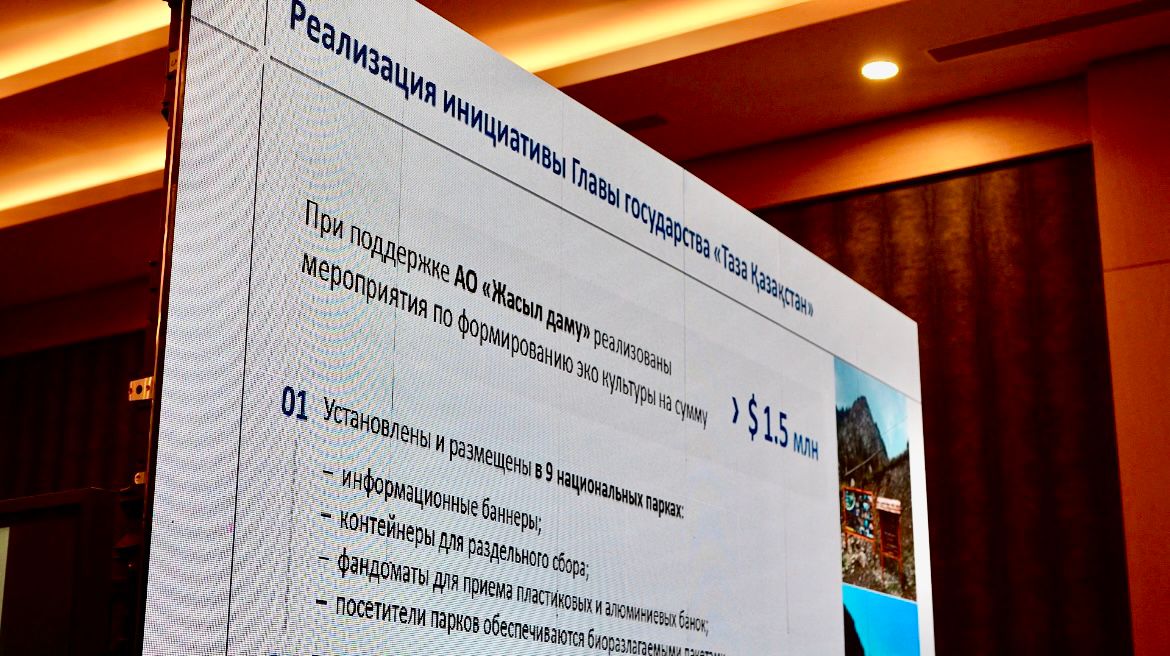
In conclusion, Erzhan Sarsenbay emphasized the importance of environmental education and the development of a culture of sustainable consumption. He noted that “Zhasyl Damu” JSC actively supports the President’s initiative “Taza Kazakhstan,” aimed at engaging citizens in environmental protection. A total of $1.5 million has already been allocated for these purposes with the company’s support: funds were used to install collection containers and reverse vending machines in national parks, supply biodegradable bags, hold eco-exhibitions and fairs, equip 129 schools with recycling bins, and produce 20 episodes of the television series “Taza Qala.”
Erzhan Sarsenbay stressed that “Zhasyl Damu” JSC will continue to consistently support the development of environmental infrastructure, the introduction of digital solutions, and the promotion of environmental culture. The company is committed to strengthening international cooperation and creating a sustainable waste management model that meets global standards and national priorities.
The ministerial meeting will continue for two days and includes thematic programs, panel sessions, and discussions of current environmental issues. It represents an important regional step in aligning the environmental agenda and preparing for the 2026 Regional Environmental Summit, laying the groundwork for joint action in the interest of a sustainable and safe future for Central Asia.
 EcoQolday
 Check payment
 Login to the system
